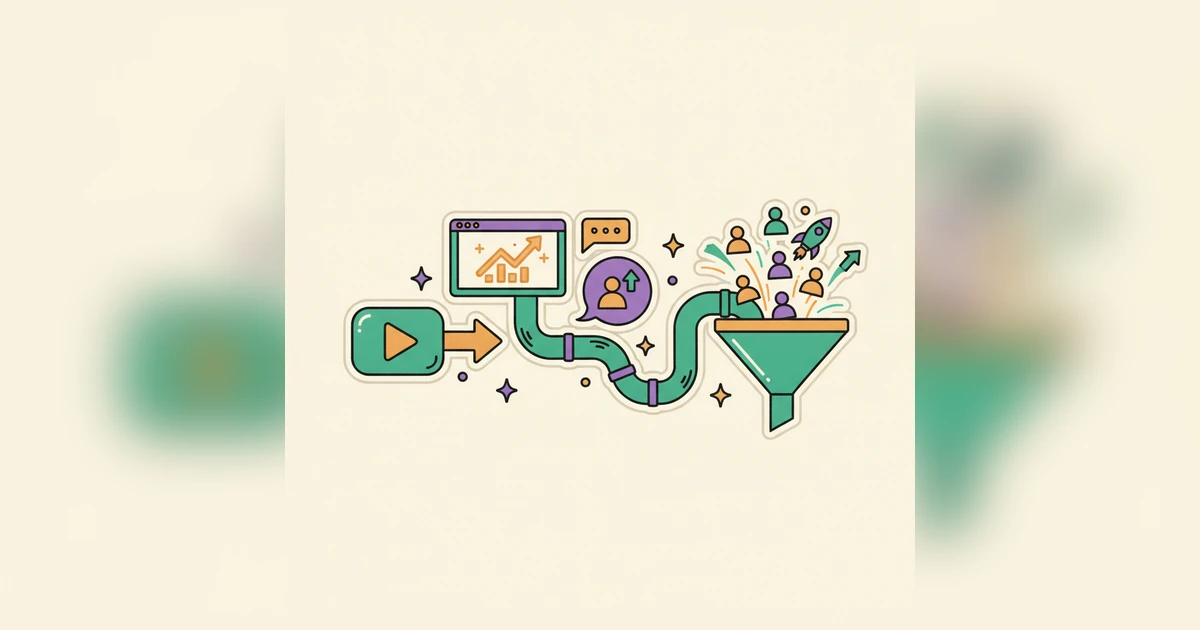
Your buyers are already deep into their research long before they ever connect with your sales team. So, why not let them truly experience your product on their own terms? The old-school sales demo is fading fast, replaced by an empowered buyer who demands instant access and a personalized journey of discovery.
In today's rapid-fire digital world, the power has undeniably shifted. Prospects want to explore, understand, and even try your product without commitment or pressure. This isn't just a fleeting trend; it's the new benchmark for B2B engagement. Building interactive, self-guided demos isn't merely about freeing up your sales team's time; it's about connecting with your buyers exactly where they are, accelerating their journey, and ultimately, driving adoption.
The New Buyer Journey: Demand for Instant Gratification
The days of buyers patiently waiting for a scheduled demo are long gone. Modern buyers, accustomed to seamless consumer experiences, expect immediate access to information and direct product interaction. They're diligently doing their homework, weighing solutions, and forming strong opinions well before they ever fill out a form.
This fundamental shift means your initial touchpoints must be both compelling and genuinely informative. A static product video or a simple gallery of screenshots just won't cut it anymore. Buyers want to click, explore, and see precisely how your solution addresses their specific pain points, on their schedule, without ever feeling pressured. Offering a self-serve demo puts that power directly in their hands, cultivating trust and genuine interest from the very start.
Why Interactive Self-Serve Demos Are Your Strategic Advantage
Think of a self-serve demo not as a replacement for your sales team, but as an incredible force multiplier. It's a highly scalable, always-on product expert that can qualify leads, educate prospects, and even close deals in certain scenarios. Here’s why it's a true game-changer:
- Empowered Buyers: They control the narrative, focusing on the features most relevant to them. This personalized journey leads to deeper understanding and significantly higher engagement.
- Accelerated Sales Cycle: Drastically reduce the time spent on early-stage qualification and basic feature explanations. Prospects arrive at sales conversations better informed and much further down the funnel.
- 24/7 Accessibility: Your product never sleeps. Prospects in different time zones or with demanding schedules can explore your solution whenever it suits them best.
- Higher Conversion Rates: Engaged prospects who have actively explored your product are far more likely to convert. They've already invested their time and witnessed the value firsthand.
- Valuable Insights: Track which features users interact with most, where they might drop off, and what paths they take. This data is pure gold for product development, marketing, and refining your sales strategy.
Crafting Engaging Experiences: Beyond the Click-Through
An effective self-serve demo isn't just a recording of your product with a voiceover. It's an experience. It needs to be interactive, thoughtfully guided, and tailored to different buyer personas and use cases. Here’s how to make it truly shine:
- Identify Key Use Cases: Resist the urge to show absolutely everything. Instead, focus on 2-3 core problems your product brilliantly solves and build a demo around each. For instance, a marketing automation tool might offer demos for "Automating Lead Nurturing" and "Personalizing Email Campaigns."
- Tell a Story: Frame the demo around a clear challenge and its compelling resolution. Begin with a relatable problem, guide the user through how your product provides the solution, and conclude with the positive outcome.
- Provide Clear Guidance: Use tooltips, hotspots, and text overlays to subtly direct the user's attention. Make navigation intuitive, but also allow for free exploration within defined boundaries.
- Incorporate Interactive Elements: Allow users to click buttons, fill in mock data fields, or select options. This active participation dramatically boosts engagement and retention.
- Personalize the Journey: Can you greet the user by name? Can you dynamically display features based on their industry or role? Even subtle personalization makes a profound difference.
Woxgen: Your Blueprint for Dynamic Self-Guided Tours
This is precisely where Woxgen steps in as your indispensable partner. Woxgen isn't just another video tool; it's purpose-built to empower you to create these sophisticated, interactive self-serve demos without needing a development team or extensive technical skills. It transforms static product videos into dynamic, engaging experiences that genuinely captivate buyers.
Imagine effortlessly adding interactive hotspots that guide prospects through key features, allowing them to click, explore, and even simulate actions directly within your product interface. Woxgen's intuitive platform enables you to:
- Build branched pathways: Let users choose their own adventure based on their specific interests or role, ensuring maximum relevance every time.
- Embed calls-to-action: Seamlessly integrate options for a live demo, free trial, or contact form at the most impactful points within the self-guided tour.
- Track granular engagement: Understand exactly which parts of your product resonate most, informing your sales follow-up and product roadmap with precise data.
- Personalize at scale: Dynamically insert prospect-specific information to make each demo feel uniquely crafted just for them.
With Woxgen, you're not just creating a demo; you're crafting a highly effective, scalable sales and marketing asset that works tirelessly to educate and convert.
Measuring Success: The Metrics That Matter
Launching self-serve demos is only half the battle; truly understanding their impact is crucial. Focus on these key metrics to effectively gauge their performance and optimize your strategy:
- Completion Rate: What percentage of users finish the entire demo? A low rate might signal a confusing or overly lengthy experience.
- Feature Engagement: Which features are prospects interacting with most? This highlights what truly resonates and informs your product messaging.
- Time Spent: How long are users spending within the demo? Longer, engaged sessions often correlate directly with higher interest.
- Conversion to Next Step: What percentage of demo viewers take the desired next action (e.g., requesting a live demo, signing up for a trial, downloading a resource)?
- Lead Quality: Are leads originating from self-serve demos more qualified and easier to close than those from other channels?
- Sales Cycle Length Reduction: Is the average sales cycle for prospects who engage with self-serve demos shorter than for those who don't?
Regularly review this data. A/B test different demo flows, CTAs, and content to continuously improve performance. Your self-serve demo strategy should be dynamic, always evolving with buyer feedback and product updates.
Scaling Your Demo Strategy for Maximum Impact
Once you've built a few successful self-serve demos, think expansively about how to integrate them across your entire buyer journey. They aren't just for your website's 'Product' page. Consider:
- Email Campaigns: Embed interactive demos directly into nurture sequences to powerfully showcase specific features relevant to the email's topic.
- Sales Outreach: Equip your sales team with personalized demo links they can send to prospects, allowing buyers to explore before a call.
- Content Marketing: Use demos as engaging, interactive assets within blog posts, case studies, or whitepapers to vividly illustrate concepts.
- Onboarding: Create self-guided tours for new users to accelerate product adoption and significantly reduce support queries.
- Feature Launches: Announce exciting new features with an interactive tour that immediately highlights their value and functionality.
By strategically deploying self-serve demos across multiple touchpoints, you create a consistent, engaging, and highly effective product experience that guides prospects seamlessly from initial awareness to enthusiastic adoption.
The modern buyer demands control and instant access, and self-serve interactive demos are the ultimate answer. By empowering prospects to explore your product on their own terms, you not only accelerate your sales cycle and improve conversion but also build a powerful foundation of trust and genuine interest. Embrace this pivotal shift with innovative tools like Woxgen, and transform your sales funnel into a dynamic, truly buyer-centric experience that drives unparalleled growth.
Frequently asked questions
What is a self-serve demo?
A self-serve demo is an interactive, guided tour of a product or software application that allows potential customers to explore its features and benefits independently, without direct intervention from a sales representative. It empowers buyers to learn at their own pace and focus on what's most relevant to them.
How do self-serve demos benefit my sales team?
Self-serve demos significantly benefit sales teams by pre-qualifying leads, reducing the time spent on basic feature explanations, and allowing reps to focus on more complex, high-value conversations. Prospects arrive at live demos or sales calls already informed and engaged, leading to shorter sales cycles and higher close rates.
Is a self-serve demo the same as a product video?
No, a self-serve demo is fundamentally different from a product video. While a video is a passive viewing experience, a self-serve demo is interactive, allowing users to click, navigate, and make choices within a simulated product environment. This active engagement leads to deeper understanding and higher retention.
Can I personalize self-serve demos for different prospects?
Yes, advanced tools like Woxgen allow for significant personalization. You can create branched pathways that cater to different roles or industries, dynamically insert prospect names, or highlight features based on their specific needs. This makes each self-serve demo feel uniquely relevant to the individual viewer.
What metrics should I track to measure the success of my interactive demos?
Key metrics to track include completion rates, feature engagement (which parts users interact with most), time spent in the demo, conversion rates to the next desired action (e.g., live demo request), and the impact on overall sales cycle length. Analyzing these helps optimize your demo strategy.
How long does it take to create an interactive self-serve demo?
The time it takes to create a self-serve demo varies based on complexity and the tool used. With platforms like Woxgen, you can often create a foundational interactive demo in hours or a few days, leveraging existing product videos or screen recordings. More elaborate, multi-path demos may take longer but offer greater customization.
What's the best way to integrate self-serve demos into my marketing and sales strategy?
Integrate self-serve demos across your entire buyer journey: embed them on your website, include them in email nurture campaigns, equip your sales team with personalized links for outreach, and use them within content marketing assets like blog posts or case studies. This ensures consistent product exposure and education.