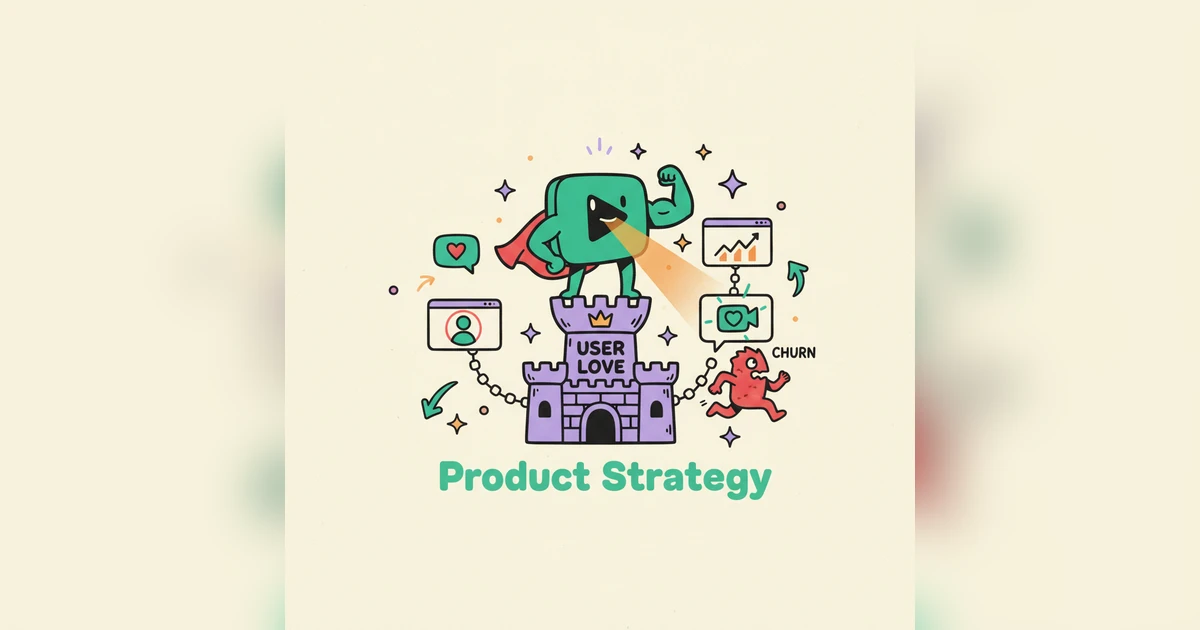
A new user signs up for your SaaS, full of optimism. Two days later, they've vanished, a digital ghost in your analytics. This isn't usually a flaw in your product itself; it's often a breakdown in your onboarding process—a pivotal moment where generic experiences extinguish potential relationships before they can even spark. The plain truth is, in a digital landscape overflowing with solutions, users demand far more than a standard welcome email or a generic, one-size-fits-all tutorial.
Here's a confident assertion: Hyper-personalized video onboarding, powered by AI, isn't merely a nice extra; it's quickly becoming the essential foundation for sustained SaaS activation and significantly reduced churn. Imagine delivering a welcome so precisely tailored, so acutely relevant, it feels as if it was crafted solely for them. That’s the transformative power we’re discussing.
The Silent Killer: Why Generic Onboarding Fails
Consider your own journey when trying a new tool. How often have you faced a wall of text, a bland product tour, or an email sequence that felt utterly disconnected from your specific needs or role? This all-too-common scenario is a primary driver of that dreaded churn rate.
Generic onboarding instantly creates a chasm. Users are forced to wade through irrelevant information, struggling to pinpoint the "aha!" moment that validates their decision to sign up. This friction breeds frustration, a sense of overwhelming complexity, and ultimately, abandonment. Your product might be brilliant, but if users can’t quickly grasp its specific value for them, they will simply move on to the next option.
Beyond Text: The Empathy Engine of Personalized Video
Video holds an undeniable power to captivate, clarify, and connect. It's precisely why YouTube tutorials often outrank written manuals. Yet, even generic video, while an improvement over static text, still falls short on personalization. This is where AI steps in to bridge that gap.
Picture a video that greets a new marketing manager by name, references their company's industry, and immediately highlights the analytics features most pertinent to their specific goals—perhaps demonstrating exactly how to track campaign ROI. This isn't just a video; it’s a personalized conversation, an empathetic guide engineered to accelerate their time-to-value and make them feel truly seen and understood.
Personalized video onboarding dramatically reduces cognitive load, cultivates trust, and forges an emotional connection far more effectively than any static medium. It transforms a potentially daunting experience into an intuitive, engaging journey, precisely tuned for each individual user.
AI's Secret Sauce: Scaling Hyper-Personalization
Historically, creating hundreds or thousands of unique onboarding videos for every single user would be an impossible, prohibitively expensive undertaking. This is precisely where AI video generation tools like Woxgen become truly revolutionary. They harness sophisticated algorithms to convert structured user data into dynamic, fully customized video content, all at scale.
Here’s a look at how it works:
- Data Integration: Connect your CRM, product analytics, or sign-up forms to seamlessly feed user data (such as name, role, company size, industry, trial goals, or features explored) directly into the AI platform.
- Template Creation: Design foundational video templates complete with placeholders for personalized elements. This encompasses visual layouts, voiceover scripts, background music, and screen recordings that capture key product interactions.
- Dynamic Content Generation: The AI engine then takes your template and intelligently populates it with individual user data. This means dynamically altering:
- Voiceover: Addressing the user by name, referencing their company, or speaking directly to their specific use case.
- Visuals: Displaying their dashboard, highlighting features they need, or showcasing data relevant to their industry.
- Language: Delivering content in the user's preferred language, if applicable.
This powerful process enables you to deliver a unique, highly relevant onboarding experience to every single user, all without manually producing a single video. It’s the ultimate fusion of human-centric design and scalable automation.
Crafting Your AI Video Onboarding Journey
Implementing hyper-personalized video demands strategic foresight, not merely technological capability. Here’s a practical playbook to help you begin:
- Identify Key Activation Moments: What are the 1-3 absolutely critical actions a user must complete to truly experience your product's core value? For a project management tool, this might be creating their first project, inviting a team member, and assigning a task.
- Map User Segments & Journeys: Resist the urge to treat all users identically. Segment them thoughtfully by role (e.g., admin, end-user), industry, company size, or even their stated goals during signup. Each segment may require a slightly different video path.
- Design Modular Video Templates: Create short, highly focused video modules for each crucial activation step. These can then be dynamically combined and personalized. For instance, you could have a 'Welcome' module, a 'First Project Setup' module, and an 'Invite Team' module.
- Integrate Data Thoughtfully: Determine which specific data points will deliver the most significant impact on personalization. Over-personalizing can be overwhelming; focus on making the video directly relevant to their immediate needs and goals.
- A/B Test and Iterate: Launch with a clear hypothesis, then rigorously measure the results. Compare personalized video onboarding against your existing methods. Experiment with different scripts, visual styles, and calls to action to continually optimize activation rates.
For example, a new sales rep signing up for a CRM might receive a video that shows them exactly how to import their existing leads from a CSV, while a sales manager gets a video focused on team performance dashboards and reporting features. Both are perfectly tailored to their distinct needs, accelerating their path to success within the platform.
Measuring Success: Metrics That Matter
The investment in AI video onboarding should demonstrably yield measurable returns. Here are the key performance indicators (KPIs) you should diligently track:
- Activation Rate: The percentage of users who successfully complete key activation milestones within a defined timeframe. This is the paramount metric for personalized onboarding.
- Time-to-Value (TTV): How swiftly do users experience the core benefit of your product? Personalized videos should dramatically shorten this period.
- Feature Adoption: Are users actively engaging with the essential features most relevant to their role and goals? Track the usage of features specifically highlighted in their personalized videos.
- Churn Rate: Ultimately, superior onboarding directly translates to sustained engagement and a reduced churn rate. This stands as the long-term indicator of success.
- Support Tickets: A user who has been effectively onboarded will likely have fewer fundamental questions, leading to a noticeable reduction in support inquiries related to initial setup or core functionality.
By meticulously tracking these metrics, you can directly attribute the positive impact of your AI-powered video onboarding strategy and continuously refine your approach for even greater, more impactful results.
The Future is Tailored: AI Video as a Growth Lever
Hyper-personalized video onboarding extends far beyond simply reducing churn; it's a potent growth lever that cultivates loyal, activated users right from day one. It powerfully communicates that you genuinely understand their unique challenges and are deeply committed to their success. This profound level of care translates directly into higher retention, more enthusiastic referrals, and ultimately, a more robust and profitable SaaS business.
As AI technology continues its rapid advancement, the possibilities for dynamic, truly responsive user experiences will only expand. Investing in personalized video now positions your product at the vanguard of user engagement, establishing a new benchmark for what it means to truly welcome a new customer.
Conclusion
Generic onboarding is a remnant of the past; hyper-personalized AI video represents the future of SaaS activation. By embracing tools that empower you to scale bespoke video experiences, you can transform initial sign-ups into enthusiastic, long-term users. Don't merely onboard your customers—activate them with an experience meticulously designed for their individual success.
Frequently asked questions
What is hyper-personalized video onboarding for SaaS?
Hyper-personalized video onboarding delivers unique video content to each new SaaS user, tailored specifically to their data like name, role, industry, and stated goals. Unlike generic videos, it uses AI to dynamically generate relevant visuals and narration, making the onboarding experience feel directly applicable and highly engaging for the individual.
How does AI create personalized onboarding videos at scale?
AI video platforms integrate with your user data sources (CRM, product analytics). You design base video templates with placeholders, and the AI engine then populates these templates with individual user data to dynamically generate a unique video for each user. This process allows for thousands of custom videos to be produced automatically without manual intervention.
What are the main benefits of using AI video for SaaS onboarding?
The primary benefits include significantly increased user activation rates, reduced churn, and a faster time-to-value for new users. Personalized videos enhance user engagement, reduce cognitive load, and build a stronger initial connection, leading to greater long-term retention and customer satisfaction.
Is it difficult to implement AI video personalization for onboarding?
Implementing AI video personalization involves strategic planning, but the technical execution is streamlined by modern platforms. You'll need to identify key activation points, map user segments, design modular video templates, and integrate your user data. Many AI video tools offer user-friendly interfaces to simplify this process.
What kind of user data is needed to create personalized onboarding videos?
Effective personalization typically uses data points such as the user's name, company name, job role, industry, stated goals during signup, and initial product usage data. The more relevant data you provide, the more specific and impactful the video personalization can be, directly addressing the user's needs.
How quickly can I see results from implementing AI personalized video onboarding?
While long-term churn reduction takes time to fully manifest, you can often see immediate improvements in short-term metrics like activation rates and time-to-value (TTV) within weeks or a few months of implementation. A/B testing can help quickly validate the positive impact compared to traditional onboarding methods.