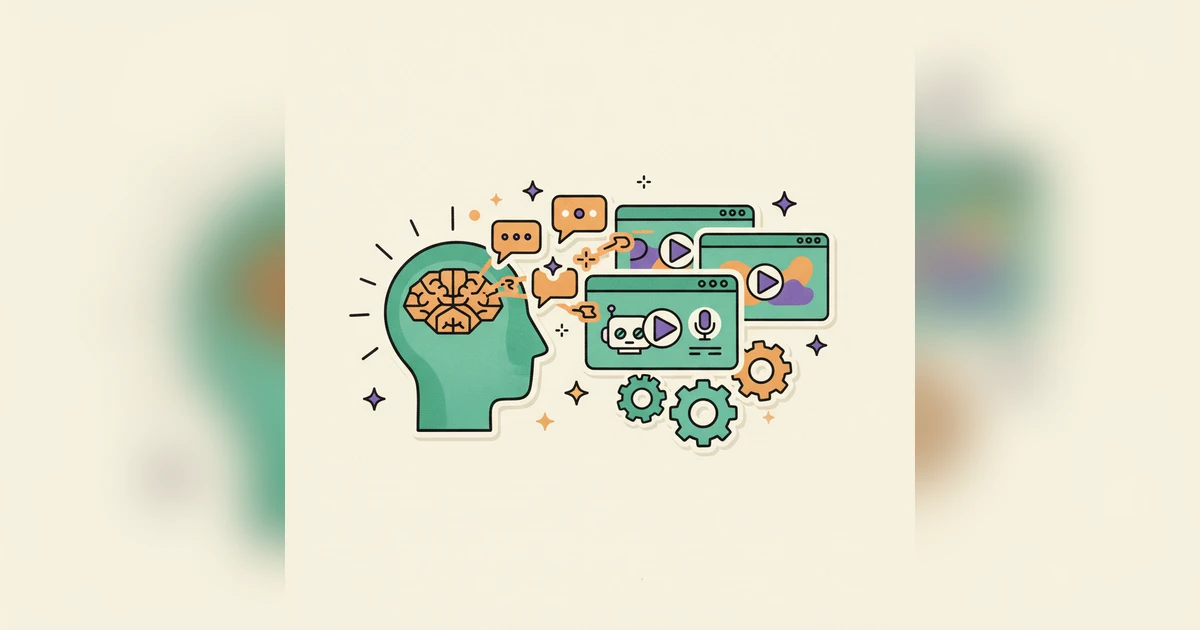
Imagine a world where every single prospect experiences a product demo crafted just for them. A demo that speaks directly to their unique pain points, their specific industry, and their role, adapting in real-time. For years, this level of personalization felt like a distant dream, achievable only through countless hours of manual effort — if it was even possible. Today, AI is turning that dream into a tangible reality, fundamentally reshaping how businesses connect with and convert their audience.
The Generic Demo Dilemma: Why One-Size-Fits-None Fails
Traditional product demos often miss the mark because they’re built for a hypothetical, generic audience. Sales teams find themselves spending valuable time delivering the same script, highlighting features that might be completely irrelevant, and simply hoping something resonates. This approach doesn’t just bore prospects; it actively disengages them, leaving them feeling like just another number in a long list.
Consider the stark difference: a Head of Marketing prioritizes ROI and seamless campaign integration, while a CTO’s primary concerns lie with security, scalability, and robust API capabilities. A single, universally designed demo, no matter how polished, simply cannot effectively address both. The inevitable outcome? Lower engagement, prolonged sales cycles, and missed opportunities as prospects quickly lose interest or struggle to see the product’s direct value for their specific challenges.
Beyond Personalization: The Power of Hyper-Relevance at Scale
True personalization goes far beyond merely swapping out a company name. It means deeply understanding the intricate context of each prospect and dynamically tailoring the entire demo experience. This involves adjusting the highlighted use cases, the data presented, the features emphasized, and even the language used, all to perfectly adapt to the individual viewer. The ultimate goal is hyper-relevance – making the prospect feel as though the product was custom-built specifically for them.
Achieving this manually across hundreds or thousands of prospects is, quite frankly, impossible. It would demand an army of sales engineers and an unsustainable investment of time and resources. This is precisely where AI emerges as a monumental game-changer. It automates the deep analysis and dynamic content generation required to deliver this hyper-relevant experience, making it both scalable and sustainable.
How AI Rewrites the Demo Playbook: Woxgen's Dynamic Approach
AI-powered demo platforms like Woxgen harness sophisticated machine learning to gather and process prospect data from a multitude of sources. This includes CRM records, firmographic details, website behavior, public profiles, and even initial conversation transcripts. This rich, aggregated data then forms a comprehensive profile, intelligently informing the AI about what truly matters to that specific individual or company.
Armed with this context, the AI dynamically generates or stitches together demo segments in real-time. This isn’t just superficial customization; it’s a profound restructuring of the demo’s narrative. For example, if the AI identifies a prospect from the healthcare industry with a clear focus on data privacy, the demo will automatically emphasize HIPAA compliance features, showcase relevant healthcare-specific templates, and use precise industry terminology. The AI can even subtly adjust the pacing and tone based on inferred engagement levels.
Key capabilities that drive this transformation include:
- Dynamic Content Generation: Seamlessly swapping product screenshots, UI elements, and even entire demo flows based on precise prospect data.
- Personalized Narratives: Crafting voiceovers and text that directly address identified pain points and desired outcomes.
- Interactive Pathways: Empowering prospects to guide their own demo journey, with the AI adapting in real-time to their choices.
- Real-time Analytics: Providing sales teams with invaluable insights into which aspects of the personalized demo resonated most, directly informing follow-up strategies.
Real-World Impact: What AI-Powered Demos Deliver
The benefits of adopting an AI-driven demo strategy are profound, touching every stage from lead qualification to conversion rates and overall sales team efficiency.
- Increased Engagement and Retention: Prospects are far more likely to watch a demo to completion and retain information when it’s directly relevant to them. This dramatically improves the quality of early-stage engagement.
- Accelerated Sales Cycles: By addressing specific needs upfront, AI-personalized demos cut through the noise, helping prospects quickly grasp value and progress swiftly through the buying journey. Less back-and-forth, more decisive action.
- Higher Conversion Rates: When prospects clearly see themselves and their problems reflected in a solution, their intent to purchase skyrockets. Personalized relevance directly translates to significantly improved close rates.
- Boosted Sales Team Productivity: Sales representatives are liberated from the repetitive task of delivering generic demos. Instead, they can dedicate their time to higher-value activities like strategic prospecting, complex problem-solving, and closing deals, all while armed with deeper insights from AI demo analytics.
- Enhanced Brand Perception: Delivering a hyper-personalized experience positions your company as innovative, truly customer-centric, and acutely aware of your prospects' unique challenges. This builds deep trust and powerfully differentiates you from competitors.
Implementing Your AI Demo Strategy: A Phased Approach
Adopting AI for personalized demos doesn't demand an overnight overhaul. A thoughtful, phased approach ensures smooth integration and maximizes impact:
- Define Your Personas: Even with AI, a clear understanding of your target customer segments remains crucial. This provides the foundational data for the AI to build upon.
- Start with Key Use Cases: Identify two or three common pain points or industry-specific scenarios where personalization would yield the most immediate impact. Develop AI-driven demo templates for these.
- Integrate Data Sources: Connect your CRM, marketing automation platforms, and other relevant data sources to feed the AI with rich prospect information.
- Train and Refine: AI models improve with more data and feedback. Continuously monitor demo performance, gather insights, and refine your personalization rules and content.
- Empower Your Sales Team: Provide comprehensive training on how to leverage AI-generated demos, interpret analytics, and seamlessly integrate them into their existing workflows.
The Future is Conversational: AI's Next Evolution in Demos
The current generation of AI-powered demos is already revolutionary, but the future promises even deeper integration and interactivity. Imagine demos that can engage in natural language conversations, answering prospect questions in real-time, delving deeper into specific features on command, or even simulating complex scenarios based on verbal prompts. This level of dynamic, conversational interaction will blur the lines between an automated demo and a live sales engineer, making the customer journey even more seamless and compelling.
The era of generic demos is truly over. AI-powered platforms are not merely a "nice-to-have"; they are a strategic imperative for any business aiming to scale its sales efforts while delivering unparalleled prospect relevance. By embracing this transformative technology, you empower your sales team, delight your prospects, and unlock a new dimension of growth in today's competitive market.
Frequently asked questions
What exactly is an AI-personalized demo?
An AI-personalized demo is a product demonstration dynamically tailored by artificial intelligence to each individual prospect. It uses data about the prospect's industry, role, pain points, and interests to present relevant features, use cases, and narratives in real-time, making the demo highly specific to their needs.
How does AI achieve real-time personalization for product demos?
AI achieves this by integrating with various data sources like CRMs and firmographics, analyzing prospect data, and then dynamically generating or assembling relevant video segments, screenshots, and narration. This allows the demo content to adapt on the fly, ensuring maximum relevance to the viewer's specific context and preferences.
What are the main benefits of using AI for demo personalization?
The primary benefits include significantly increased prospect engagement and retention, accelerated sales cycles due to clearer value propositions, and higher conversion rates. Additionally, it frees up sales teams from repetitive tasks, allowing them to focus on more strategic selling and complex problem-solving.
Can AI-personalized demos replace live sales calls completely?
While AI-personalized demos greatly enhance the early stages of the sales process and can answer many initial questions, they are generally not intended to fully replace complex live sales calls. They excel at qualifying leads, educating prospects, and building initial interest, allowing live calls to focus on deeper discovery, negotiation, and relationship building.
What kind of data does an AI demo tool like Woxgen use for personalization?
AI demo tools typically leverage a wide range of data, including CRM records, firmographic data (company size, industry), website interaction history, public professional profiles (LinkedIn), and even conversational data from previous interactions. This comprehensive data set allows the AI to build a rich profile for precise personalization.
Is it difficult to implement an AI demo strategy into an existing sales process?
Implementing an AI demo strategy can be phased for smoother integration. It involves defining key personas, identifying initial use cases, integrating existing data sources, and training the AI and sales team. While there's an initial setup, the long-term benefits in efficiency and conversion often far outweigh the implementation effort.
How does AI help sales teams be more productive?
AI boosts sales team productivity by automating the creation and delivery of highly personalized demos, which traditionally consumes significant time. This allows sales reps to reallocate their energy towards strategic activities like complex deal negotiation, relationship building, and leveraging AI-generated insights for more effective follow-ups, leading to higher overall output.